
Description
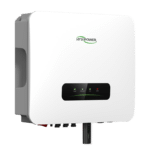
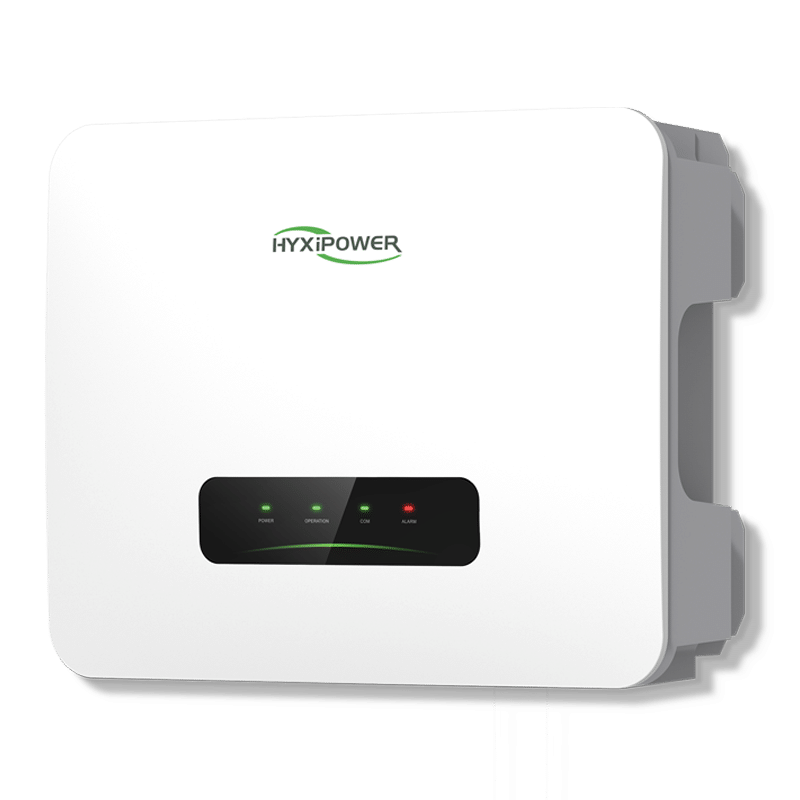
6 KW Low Voltage Hybrid Solar Inverter
The 6 KW Low Voltage Hybrid Solar Inverter is a powerful and versatile energy solution designed for homes, offices, commercial premises, and other properties looking to improve energy efficiency and reduce dependence on conventional electricity. Combining solar power conversion, battery storage management, and grid integration, this hybrid inverter helps you make better use of available solar energy while providing a flexible power supply for everyday electrical needs.
Whether you are installing a new solar power system or upgrading an existing installation, a 6KW low voltage hybrid solar inverter offers a practical solution for managing energy from multiple sources. It allows compatible solar panels, low-voltage batteries, and grid electricity to work together, depending on the inverter’s specifications and configuration.
For customers in Kenya looking for a dependable solar energy solution, this inverter can support a transition towards cleaner energy, improved power management, and greater control over household or business electricity consumption.
Powerful 6KW Output for Everyday Energy Needs
With a rated power capacity of 6KW, this hybrid solar inverter is designed to support a range of electrical appliances and equipment within its operating limits. It can be suitable for installations powering lighting systems, televisions, computers, routers, refrigerators, selected office equipment, and other compatible household or business appliances.
The actual number of appliances that can operate simultaneously depends on their combined power consumption, starting currents, and the inverter’s surge capacity. High-power appliances such as electric cookers, water heaters, and air conditioners should be assessed carefully before connecting them.
By selecting a suitably sized inverter, you can build a solar energy system that matches your property’s electricity requirements while allowing room for efficient energy management.
Advanced Low Voltage Battery Compatibility
One of the key features of a 6KW low voltage hybrid solar inverter is its ability to work with compatible low-voltage battery storage systems. Depending on the model, supported batteries may include suitable lithium-ion or lead-acid batteries that meet the manufacturer’s voltage, current, and communication requirements.
Battery storage allows excess solar energy generated during the day to be stored for later use. This stored energy can help power selected appliances in the evening, during periods of low sunlight, or when the grid supply becomes unavailable.
When choosing a battery for your inverter, it is important to confirm the supported battery voltage, maximum charging and discharging current, battery chemistry, and communication protocol. Proper compatibility helps improve system performance, battery protection, and long-term reliability.
Efficient Solar Energy Conversion
A hybrid solar inverter helps convert the direct current (DC) electricity generated by solar panels into alternating current (AC) electricity suitable for compatible household and commercial appliances.
Depending on the model’s specifications, its built-in solar charge controller may use Maximum Power Point Tracking (MPPT) technology to optimise energy harvesting from connected solar panels. MPPT technology adjusts the operating point of the solar array to help obtain available power under changing sunlight and temperature conditions.
This functionality can improve the utilisation of your solar installation, although actual energy production depends on panel capacity, weather conditions, panel orientation, shading, and the inverter’s operating range.
Before installation, check the inverter’s maximum PV input power, MPPT voltage range, maximum PV open-circuit voltage, and input current limits to ensure the solar panels are correctly matched.
Intelligent Hybrid Energy Management
The 6KW hybrid solar inverter is designed to manage power from different energy sources according to its available operating modes and settings. Depending on the model, users may be able to configure solar power priority, battery charging preferences, and grid power usage.
During sunny periods, solar panels can supply connected loads and charge the battery when sufficient energy is available. When solar production decreases, the inverter may draw energy from the battery or use grid electricity according to the selected settings.
This flexible energy management can help reduce unnecessary grid consumption and make better use of the electricity produced by your solar panels.
For properties with varying energy needs, hybrid operation provides an adaptable approach to electricity management. The available operating modes and configuration options should be verified against the specific inverter model.
Backup Power During Electricity Interruptions
Power interruptions can disrupt household routines, business operations, internet connectivity, and security systems. A properly configured hybrid solar inverter with a compatible battery can provide backup power to selected loads when the grid fails.
This makes it a useful option for homes, offices, retail shops, and other premises that need continued access to essential electrical equipment.
The backup duration depends on battery capacity, battery condition, connected load, inverter efficiency, and operating settings. For example, running a few lights, a router, and a computer generally requires less energy than powering several high-consumption appliances.
For the best results, identify your essential loads and select a battery capacity that can support them for your required backup period. Confirm that the inverter supports backup or EPS output and that the installation includes the necessary electrical protection and isolation equipment.
Suitable for Homes and Small Businesses in Kenya
The 6KW low voltage hybrid solar inverter can be considered for a variety of residential and commercial solar installations across Kenya. It may suit properties in Nairobi, Kiambu, Nakuru, Mombasa, Kisumu, and other areas where users want to supplement grid electricity with solar energy.
Potential applications include:
Residential properties: Support lighting, entertainment equipment, internet routers, and selected kitchen appliances.
Retail shops: Help supply compatible lighting, computers, point-of-sale systems, and security equipment.
Small offices: Support workstations, printers within the inverter’s capacity, networking equipment, and other essential devices.
Solar backup systems: Combine suitable solar panels and battery storage to maintain selected loads during outages.
The most appropriate system design depends on daily energy consumption, available roof space, sunlight conditions, and whether the property has a reliable grid connection.
Flexible Battery Charging and System Expansion
A hybrid inverter can form the centre of a solar energy system that may be expanded or adjusted as energy needs change. Depending on its specifications, the unit may support configurable charging currents, programmable operating modes, and communication with compatible battery management systems.
When planning your installation, consider the size of the solar array, battery storage capacity, expected daily consumption, and potential future appliances.
It is also important to check whether the inverter supports parallel operation or system expansion before planning to increase capacity. Not every 6KW inverter has this functionality, and compatible equipment and professional configuration may be required.
A well-designed installation helps balance energy generation, battery storage, and consumption while protecting connected equipment.
Reliable Protection and Safe Installation
Electrical protection is an essential part of any solar installation. Depending on the model, the inverter may include protective functions against conditions such as overload, short circuits, overheating, or abnormal battery voltage.
The exact protections available vary by manufacturer and model, so check the product datasheet before purchasing.
For safe and dependable operation, the inverter should be installed by a qualified solar technician. Correct cable sizing, earthing, circuit breakers, surge protection, battery connections, and solar DC isolation are important considerations. The installation must also comply with applicable local electrical requirements.
Why Choose a 6KW Low Voltage Hybrid Solar Inverter?
Choosing a 6KW low voltage hybrid solar inverter provides a flexible foundation for a solar power system designed around your property’s energy requirements. By integrating solar generation, compatible battery storage, and grid electricity, it offers several ways to manage energy usage.
Its 6KW power rating makes it worth considering for medium-sized residential installations and selected small-business applications, provided the connected loads remain within the unit’s continuous and surge ratings.
For anyone planning to invest in solar power in Kenya, selecting the correct inverter, solar panels, and battery combination is essential for achieving reliable performance. Always confirm the model-specific technical specifications before purchase.
Buy a 6 KW Low Voltage Hybrid Solar Inverter in Kenya
Upgrade your energy system with a 6 KW Low Voltage Hybrid Solar Inverter designed to support flexible solar power generation, battery storage, and grid integration. Whether you are planning a residential solar installation or a backup power solution for your business, choosing compatible equipment can help you make better use of available solar energy.
Before purchasing, confirm the battery voltage, solar input specifications, output characteristics, warranty, and available operating modes to ensure the inverter meets your requirements.
Choose a suitable hybrid solar inverter to help improve energy management, support essential appliances, and move towards a more flexible and energy-efficient power solution.


Reviews
There are no reviews yet.