

Description
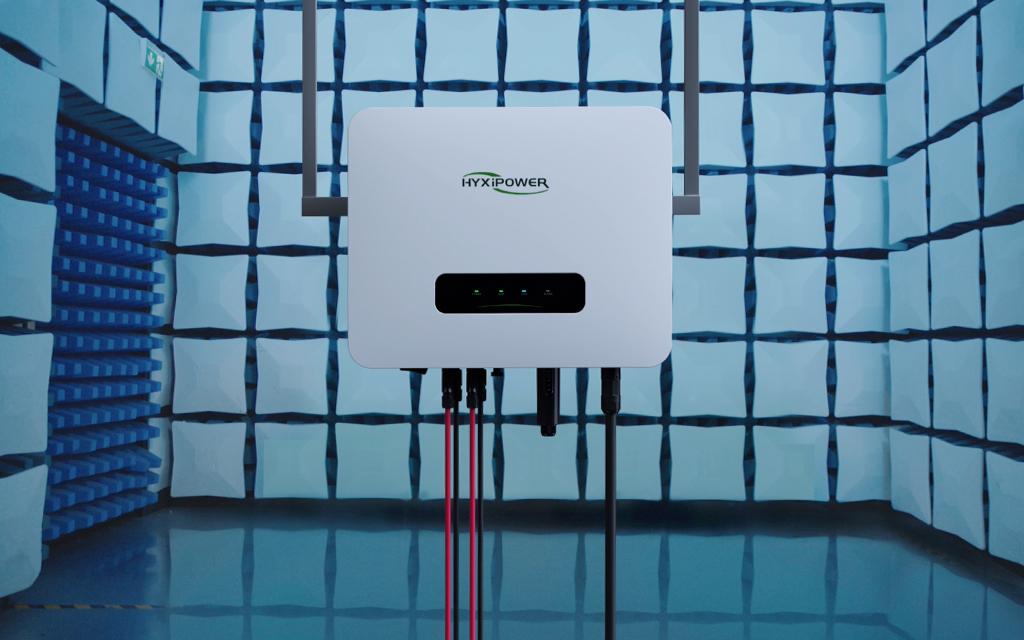
The 8 KW Low Voltage Hybrid Solar Inverter is an excellent solution for homeowners and businesses looking for reliable, efficient, and flexible solar power. Designed to support modern solar energy systems, this hybrid inverter combines solar panel generation, battery storage, and grid electricity to help you manage your energy consumption more effectively. With an 8KW power rating, it is suitable for a wide range of residential and commercial applications that require dependable electricity for multiple appliances and electrical equipment.
Whether you want to reduce your monthly electricity bills, improve energy independence, or maintain power during unexpected outages, an 8KW low voltage hybrid solar inverter offers a practical foundation for a well-designed solar installation.
Powerful 8KW Output for Residential and Commercial Use
One of the key advantages of an 8KW hybrid solar inverter is its ability to support a substantial electrical load, subject to its rated output specifications and the requirements of connected appliances. It can be suitable for homes with refrigerators, televisions, lighting, computers, routers, and other compatible electrical equipment.
The inverter can also serve small offices, retail shops, workshops, and other commercial environments that need a dependable source of electricity. By converting the direct current (DC) electricity generated by solar panels or stored in batteries into alternating current (AC), it makes solar energy usable by everyday electrical appliances.
For the best results, ensure that the combined running load and starting requirements of connected equipment remain within the inverter’s rated capacity.
Low Voltage Battery Compatibility
The 8KW low voltage hybrid solar inverter is designed for solar installations that use compatible low-voltage battery storage. Depending on the specific model, supported battery technologies may include lithium-ion batteries and lead-acid batteries.
Battery storage allows excess solar energy generated during sunny periods to be stored for later use. This stored energy can help power appliances in the evening, during periods of reduced sunlight, or when grid electricity is unavailable.
When selecting a battery for your hybrid inverter, check the manufacturer’s supported battery voltage, charging current, battery chemistry, communication protocols, and recommended capacity. Lithium batteries with compatible battery management systems can provide convenient monitoring and controlled charging when supported by the inverter.
Choosing the correct battery configuration helps improve system performance, battery lifespan, and overall energy reliability.
Efficient Solar Energy Management
A major benefit of a hybrid solar inverter is its ability to coordinate different electricity sources. Depending on its configuration and available features, the inverter can prioritise solar power, charge the battery, use stored energy, or draw electricity from the grid when necessary.
During the day, solar panels can supply electricity to connected appliances while excess generation charges the battery. When solar production decreases, the system may use stored battery energy or switch to grid electricity according to the selected operating settings.
This flexible approach can help reduce dependence on utility electricity and make better use of the solar power generated by your installation.
For households and businesses in Kenya, where electricity costs and power reliability are important considerations, an appropriately configured hybrid solar system can offer greater control over daily energy consumption.
Reliable Backup Power During Outages
Power interruptions can affect household comfort, business operations, communication, and the use of essential electrical equipment. An 8KW low voltage hybrid solar inverter can provide backup power when connected to a suitable battery bank and configured with the necessary backup output and protection systems.
Depending on the installation, backup power may support lighting, internet equipment, refrigeration, computers, and other essential appliances. The actual backup duration depends on battery capacity, battery condition, inverter efficiency, and the amount of electricity consumed.
It is important to distinguish between the inverter’s 8KW power rating and the amount of energy available from the battery. A larger compatible battery bank generally provides longer backup time, provided that the inverter and battery remain within their operating limits.
Smart Protection and System Monitoring
Many modern hybrid solar inverters include built-in protection and monitoring features to help maintain safe and stable operation. Depending on the model, these may include overload protection, short-circuit protection, over-temperature protection, and safeguards against abnormal battery or DC input conditions.
Some models also provide LCD displays, mobile application monitoring, communication interfaces, or remote system management. These functions can help users monitor solar production, battery status, household consumption, and operating modes.
Before purchasing, confirm which protection, communication, and monitoring features are included in the specific 8KW inverter model.
Flexible Solar Installation for Homes and Businesses
The 8KW low voltage hybrid solar inverter can form part of a new solar installation or an upgrade to an existing compatible system. It can be integrated with appropriately sized solar panels, a compatible battery bank, and grid electricity where supported.
A properly designed system should account for solar panel capacity, maximum PV input voltage, MPPT operating range, charging limits, battery specifications, and expected household or business energy consumption.
Professional installation is recommended to ensure correct wiring, earthing, circuit protection, and compliance with applicable electrical safety requirements.
Why Choose an 8KW Low Voltage Hybrid Solar Inverter?
Choosing an 8KW hybrid inverter provides a flexible way to combine solar generation, battery storage, and grid power within one energy management system. It can help users improve solar energy utilisation, reduce reliance on utility electricity, and maintain essential power during outages when the system is equipped with suitable battery storage.
Its potential applications include residential homes, offices, retail premises, and small commercial facilities. The ability to integrate compatible batteries also makes it suitable for users who want to store solar energy rather than depend entirely on daytime generation.
For customers looking to invest in solar power in Kenya, the 8KW low voltage hybrid solar inverter is worth considering as part of a carefully planned energy solution. Always verify the manufacturer’s specifications, supported battery types, solar input limits, and backup capabilities before purchasing.
Conclusion
The 8 KW Low Voltage Hybrid Solar Inverter is a practical option for users seeking flexible solar power, battery storage integration, and dependable electricity management. With its substantial rated output and hybrid functionality, it can support a wide variety of household and business energy needs when correctly sized and installed.
Whether your goal is to lower electricity costs, improve backup power, or increase the use of renewable energy, this inverter can be an important component of an efficient solar power system.


Reviews
There are no reviews yet.